Millet-Based Value-Added Products

Millet-Based Value-Added Products
Millets Reimagined: Value-Added Products and Their Powerful Benefits
Millets have made a strong comeback, evolving from traditional staples to modern superfoods. Valued for their nutrition, sustainability, and versatility, they are gaining popularity in both rural and urban markets.
What Are Millets?
Millets are small-seeded grains widely grown in Asia and Africa, including varieties like ragi, bajra, foxtail, little millet, and jowar. They are gluten-free, high in fiber, and rich in essential nutrients.
Rise of Millet-Based Value-Added Products
Once mainly eaten as porridges and flatbreads, millets are now used in a variety of innovative food products. Value addition improves convenience, shelf life, and appeal while preserving their nutrition.
1. Ready-to-Eat and Ready-to-Cook Products
Millets are now offered in convenient options like instant dosa and upma mixes, porridge blends, and ready-to-eat snacks—making healthy eating easy for busy lifestyles.
2. Millet Snacks and Bakery Items
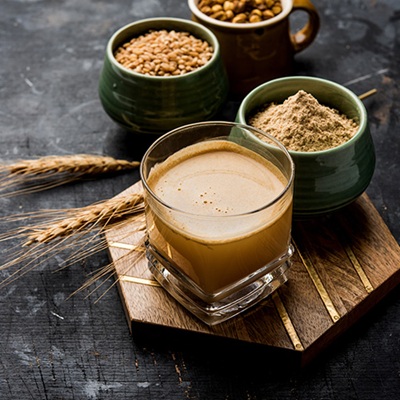
Ragi and other millet-based health drinks, including malted and fermented options, are gaining popularity for their digestive benefits and energy boost.
3. Millet Beverages
Health drinks made from ragi and other millets, including malted and fermented beverages, are gaining popularity for their digestive and energy-boosting properties.
4. Millet Pasta and Noodles
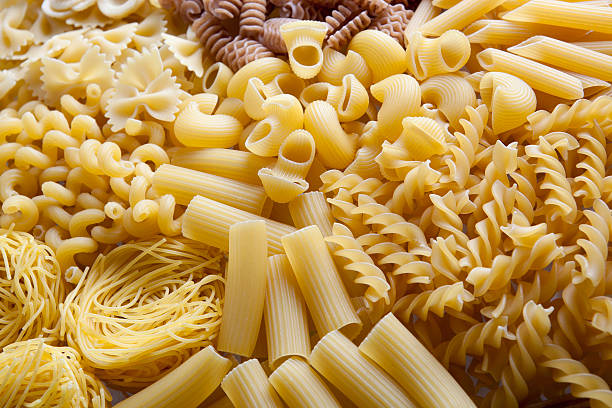
Using millet flour instead of refined wheat in pasta and noodles creates gluten-free options that are high in fiber and rich in essential nutrients.
5. Infant and Health Foods
Millet-based baby foods and supplements are valued for easy digestion and their rich calcium and iron content.
Nutritional and Health Benefits
1. Rich in Nutrients
Millets are rich in fiber, protein, B-complex vitamins, and essential minerals like iron, calcium, and magnesium.
2. Supports Digestive Health
High fiber in millets supports digestion, helps prevent constipation, and promotes a healthy gut.
3. Helps Manage Diabetes
Millets have a low glycemic index, helping control blood sugar levels and lowering the risk of type 2 diabetes.
4. Promotes Heart Health
Millets contain antioxidants and healthy fats that help lower cholesterol and support heart health.
5. Gluten-Free Alternative
Millets are naturally gluten-free, making them suitable for people with gluten intolerance or celiac disease.
6. Supports Weight Management
Their high fiber and protein content help you feel full longer, supporting weight management.
Environmental and Economic Benefits
Millets benefit both health and the environment:
- Climate-resilient: Need less water and grow well in harsh conditions.
- Low-input crop: Require minimal fertilizers and pesticides.
- Supports farmers: Encourages sustainable agriculture and improves rural livelihoods.
Challenges and Future Scope
Despite their benefits, millets face challenges like low awareness, limited processing, and taste preferences. However, growing support from governments, startups, and global initiatives like the International Year of Millets 2023 signals a strong future ahead.
Conclusion
Millet-based products are reshaping how we use traditional grains, blending ancient nutrition with modern convenience. They offer a smart solution for better health, improved nutrition, and a more sustainable future.
“From farm to fork, millets are not just food — they are a movement toward better living.”

