Herbal Medicinal Supplements
Herbal Medicinal Supplements
Indian Herbal Supplements and Their Rising Global Demand
With a growing shift toward natural and preventive healthcare, Indian herbal supplements are gaining global popularity. Rooted in traditions like Ayurveda, they blend ancient wisdom with modern science to support holistic wellness.
India, known as the “Herbal Hub of the World,” is well-positioned to meet this demand благодаря its rich biodiversity, deep traditional knowledge, and expanding manufacturing capabilities.
What Are Herbal Supplements?
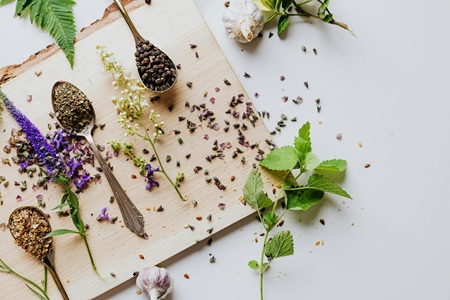
Herbal supplements are plant-based products used to support health and wellness, available in forms like capsules, powders, tablets, teas, and extracts.
Indian herbal supplements commonly include ingredients such as
- Ashwagandha
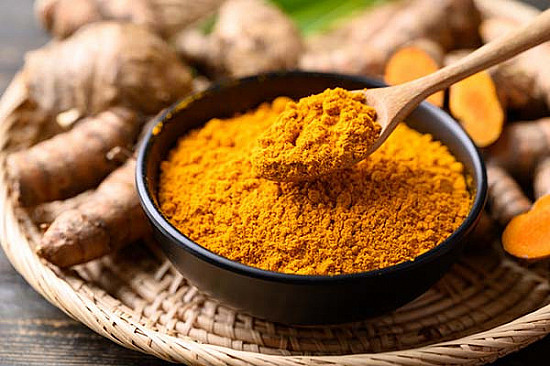
- Turmeric (Curcumin)
- Tulsi (Holy Basil)
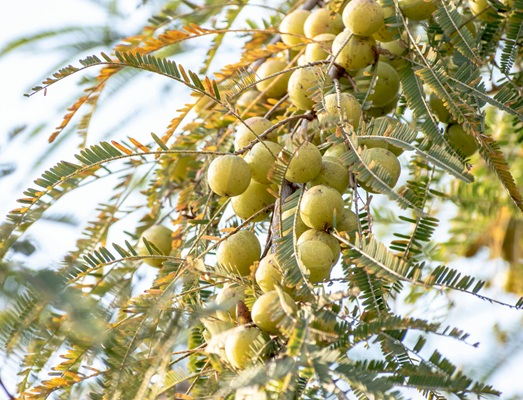
- Amla (Indian Gooseberry)
- Giloy
- Neem
Key Drivers of Demand
Natural healthcare shift: Growing preference for plant-based, preventive solutions
Ayurveda popularity: Global interest in holistic healing practices
Post-pandemic focus: Rising demand for immunity-boosting supplements
Scientific backing: Increased research and standardized quality
E-commerce growth: Easier global access through online platforms
Key Export Markets
Indian herbal supplements are exported to 150+ countries, with major markets including:
• United States: Largest consumer of dietary supplements
• Europe: High demand for organic, plant-based products
• Middle East: Preference for natural remedies
• Southeast Asia: Shared traditional medicine practices
Popular Categories of Indian Herbal Supplements
1.Immunity Boosters:Products with turmeric, giloy, and amla are widely used to strengthen the immune system.
2.Stress & Wellness Supplements:Ashwagandha-based products help reduce stress, improve sleep, and support mental well-being.
3.Digestive Health Products:Herbal blends with triphala, fennel, and ginger support digestion and gut health.
4.Beauty & Skin Supplements:Amla and neem-based products support skin health, anti-aging, and hair care.
5.Weight Management & Detox Products:Herbal teas and detox formulations are popular among fitness-conscious consumers.
Role of Indian Institutions & Industry
Organizations like the Ministry of AYUSH support herbal products through research, promotion, and quality standards.
Indian manufacturers also adopt global certifications like GMP, ISO, and organic standards to meet international regulatory requirements.
Challenges in the Global Market
• Regulatory barriers: Strict and varying international rules
• Quality consistency: Maintaining standardization across batches
• Awareness gaps: Misconceptions about herbal effectiveness
• Competition: Strong global players like China and the USA
Future Opportunities
• Nutraceutical growth: Increasing daily use of herbal supplements
• Product innovation: Gummies, effervescent tablets, herbal drinks
• Sustainable sourcing: Focus on organic and ethical practices
• Global branding: Rising recognition of Indian wellness products
Conclusion
Indian herbal supplements combine traditional knowledge with modern health science, making them highly relevant in today’s wellness-focused world. As demand for natural and sustainable solutions grows, India is well-positioned to lead the global market through quality, innovation, and strong global outreach.
“From ancient herbs to modern health solutions, India’s herbal supplements are healing the world—naturally.”

